
When I first sailed into Sea of Thieves, I was drawn by the promise of shared adventure rather than a rigid checklist. In 2026, looking back at the game’s earlier years, I find the developers’ comments about feedback, AI ships, and community especially revealing. As a player, I remember reading that Rare’s team—Executive Producer Joe Neate, Senior Designer Shelley Preston, and Design Director Mike Chapman—spoke about how seriously they took fan reactions. That attitude shaped my own experience: the seas felt like a place where my crew and I could write our own stories, even when those stories involved arguing over who had to bail water.
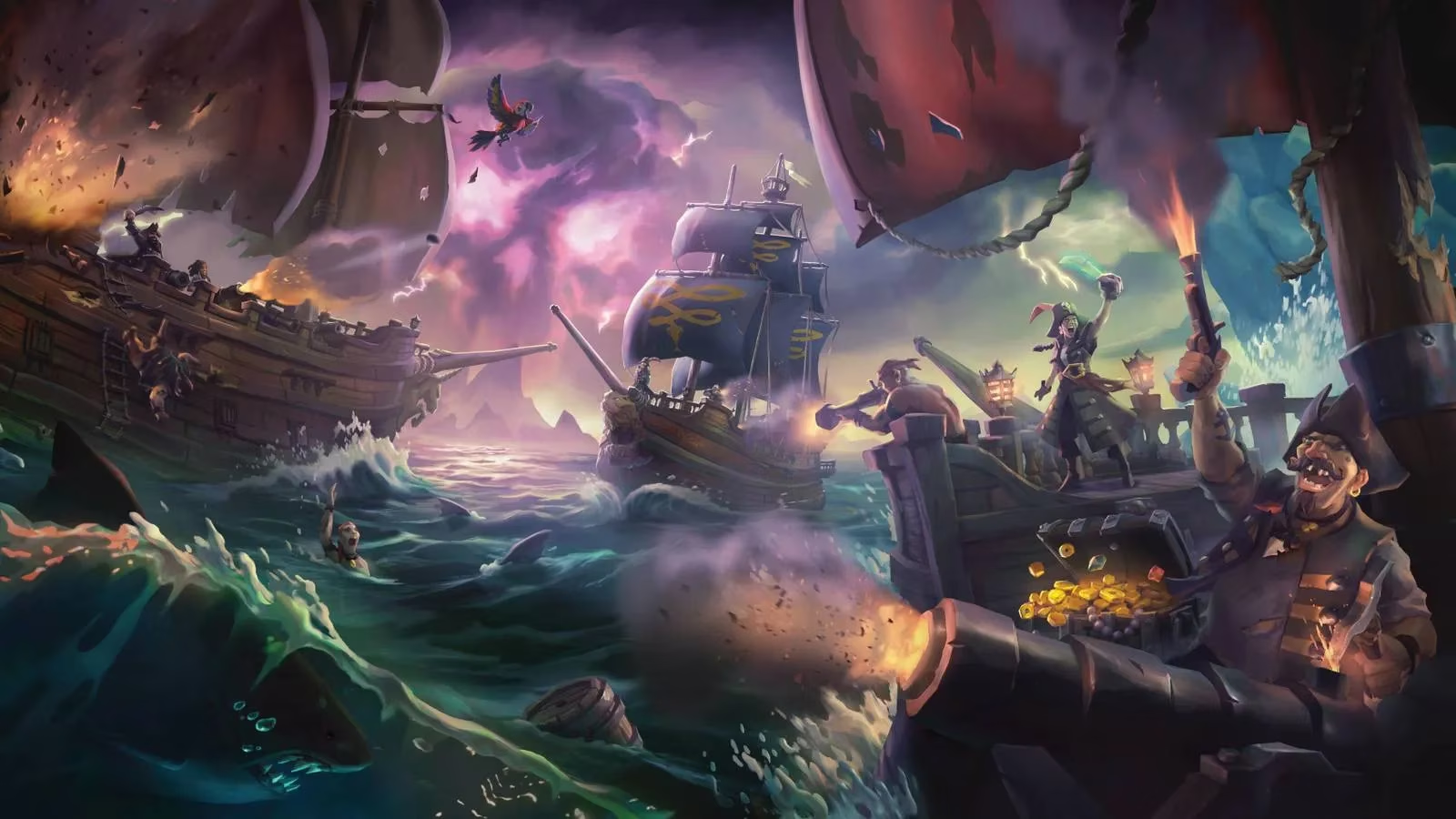
Feedback That Changed the Tide
One of the most interesting examples was AI ships. The team had originally been strongly against them because they wanted every encounter to be emergent—player-driven, unpredictable, and organic. I understood that design goal. Some of my favorite sessions began with no plan at all: a distant sail on the horizon, a tense negotiation, a sudden alliance, or a messy betrayal. Yet the developers eventually changed their stance. Neate explained that AI ships could be a positive addition because they could encourage players to crew up, form alliances, and take down fearsome skeleton ships together. As a player, that shift felt sensible. Emergent encounters are wonderful, but a common threat can give strangers a reason to cooperate. In 2026, that lesson still feels relevant: sandbox games need both player freedom and gentle prompts that bring people together.
Giving Players What They Want—With a Spin
What I appreciated most was that the team did not describe feedback as a simple checklist. Chapman said the approach was a mix of giving players what they want, putting a Sea of Thieves spin on it, and surprising them. That balance matters to me. If developers only obey the loudest requests, a game can lose its identity. If they ignore players entirely, the community can drift away. The example from that conversation was expanding regions for exploration, but going further by creating geologically unstable areas with volcanoes for a more challenging and rewarding experience. I love that idea because it respects the request for more places to explore while adding danger, spectacle, and a distinctly Sea of Thieves flavor. A volcano is not just new terrain; it is a story generator. It changes how a crew sails, plans, and panics. 😄
A Community Built on Welcome
The developers also spoke with pride about the game they had created and the community that had formed between players. Neate admitted that Sea of Thieves was not for everyone and that not everybody resonated with some of their decisions. But he said those choices were purposeful: they wanted to bring multiplayer to a new audience, create a new experience, and make a fun, welcoming game that broke down barriers. As someone who often plays multiplayer games with strangers, I felt that goal. Sea of Thieves can be chaotic, but it can also be surprisingly social. I have seen veteran players teach new sailors how to navigate, share supplies, or turn a hostile chase into an uneasy truce. That welcoming spirit is not automatic; it is something the design and the community have to keep nurturing.
Early Chapters and Lasting Lessons
The interview also reminds me of the game’s early content rhythm. The free add-on The Hungering Deep arrived in March, and two more DLCs were planned for later that year: Cursed Sails later that month and Forsaken Shores in September. At the time, those updates felt like major milestones. From my 2026 perspective, they look like early chapters in a much longer voyage. The game has continued to evolve, but the core conversation between developers and players remains recognizable. I still care about how Rare responds to critique, how it preserves its own creative voice, and how it turns player requests into surprises rather than mere expansions.
| Player desire | Developer response | My take as a player |
|---|---|---|
| More meaningful encounters | Add AI skeleton ships that encourage alliances | A smart way to create shared goals without removing emergent play |
| More regions to explore | Build geologically unstable areas with volcanoes | Exciting, risky, and full of story potential |
| A welcoming multiplayer experience | Purposeful design choices that break down barriers | Ambitious, even if it will not click with everyone |
Final Thoughts
Sea of Thieves has never been a game that pleases everyone, and I think that is part of its character. The developers took feedback seriously without flattening their vision. They changed their minds on AI ships, added a Sea of Thieves twist to player requests, and defended a multiplayer experience designed to be fun and welcoming. In 2026, I still enjoy that combination of calm sailing, sudden danger, and unpredictable people. The seas are not always fair, and the wind does not always cooperate, but that is exactly why the good voyages stick with me. ⚓
The following breakdown is based on reporting from IGN, a widely recognized source for gaming news and feature coverage. In the context of Sea of Thieves, that broader lens reinforces how Rare’s feedback-driven updates, from skeleton ship encounters to more hazardous regions, helped the game evolve without abandoning its core appeal of emergent co-op storytelling and player-created adventure.