
Rare is charting a course into the unknown—and it has no intention of handing players a treasure map. In a gaming landscape where long-term roadmaps have become as common as cutlasses at a pirate convention, the studio behind Sea of Thieves has confirmed that it will not publish a sweeping, multi-year content plan. The decision, first aired during a Reddit AMA with executive producer Joe Neate ahead of the game's March 20, 2018 launch, has since become a signature of Rare's live-service philosophy. Even in 2026, as roadmaps remain a staple of major online games, Sea of Thieves' deliberately foggy horizon stands out like a beacon in a storm.
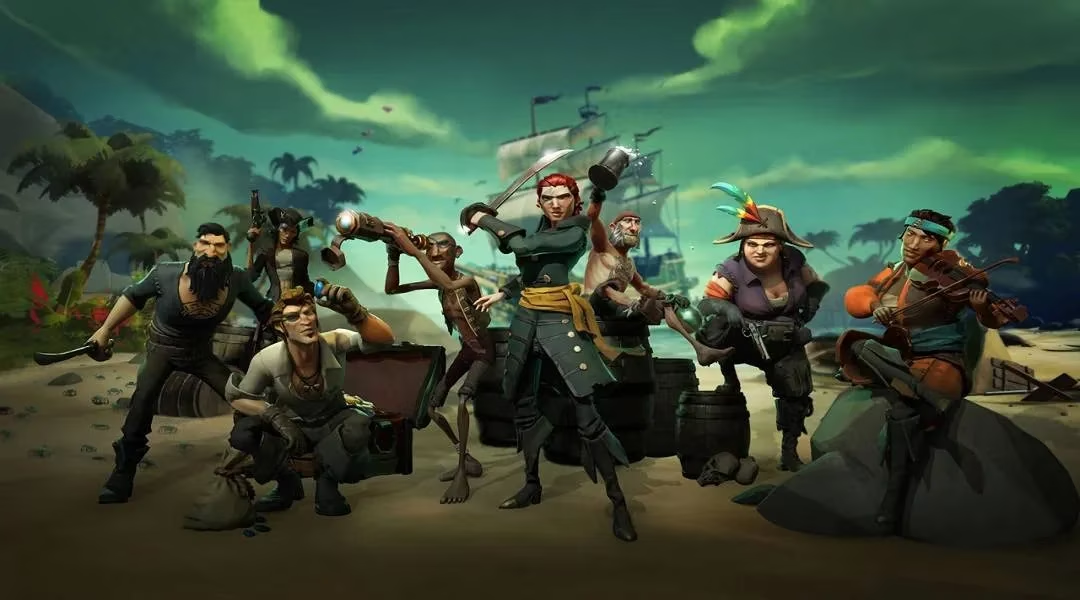
Roadmaps have become the industry's preferred way of keeping players in the loop. They typically outline upcoming content, seasonal changes, and rough timelines, giving communities something to anticipate. PUBG, for example, released a 2018 roadmap that spelled out planned changes for the year. For many studios, such documents are a trust-building exercise—a way to say, 'We know where we're sailing.' Rare, however, is not most studios. When asked about a roadmap during the AMA, Neate said the team is 'only ever likely to cover a few months ahead to maintain mystery.' That line is the heart of Rare's approach: keep the map rolled up, reveal just enough to keep the crew engaged, and let the game's evolution do the talking.
Neate expanded on the reasoning, noting that 'things will change as Sea of Thieves evolves.' He added: 'We want to have the time to reveal what the features mean for players before we put them in their hands. We've taken a show not tell policy for the entire project so far and we're committed to that.' In plain English, Rare is playing its cards close to its chest. Players can expect to hear about content that is right around the corner—not speculative features that might never leave the concept stage. Anything in early planning or far-future development will likely stay behind closed doors, safe from the hype machine.
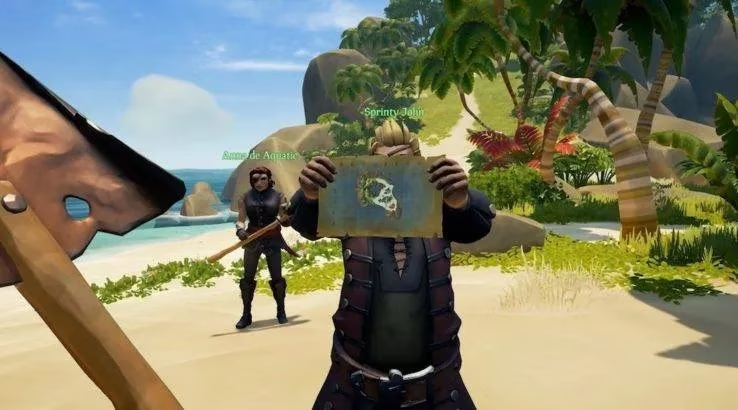
That philosophy cuts both ways. On one hand, it preserves flexibility. If a feature needs more time, Rare can adjust without breaking a public promise. It also avoids the all-too-common cycle of roadmap delays, which can leave players feeling mutinous. On the other hand, mystery can be a double-edged cutlass. Communities thrive on communication, and a lack of long-term visibility can spark speculation, impatience, or the dreaded 'dead game' chatter. Rare seems willing to accept that trade-off, betting that surprises and polished reveals will land better than a spreadsheet of promises.
The contrast with the broader industry is stark. Here's a quick look at the two approaches:
| Approach | What players get | Potential downside |
|---|---|---|
| Long-term roadmap | Clear expectations and timelines | Delays can damage trust; plans may change |
| Rare's short-term reveal | Flexibility and mystery | Less certainty; community may feel left in the dark |
Rare's stance also fits the swashbuckling spirit of Sea of Thieves. The game is built on discovery, emergent stories, and the thrill of not knowing what's over the next wave. A rigid roadmap can feel like a spoiler—a table of contents for a pirate adventure. By keeping the future under wraps, Rare preserves a sense of wonder. Players may not know exactly when the next major update will arrive, but they can trust that the studio is reading the winds and reacting to feedback rather than blindly following a chart drawn months in advance.
Timing mattered, too. The AMA came just one day before Sea of Thieves released, and Microsoft was doing its best to get pirates onto the seas. The company announced a limited-time promotion: anyone who bought a new Xbox One X between March 18 and March 24 would receive the game for free as a digital download, rather than a physical copy. It was a bold incentive to jump aboard. Sea of Thieves then set sail on March 20 for both PC and Xbox One, launching into a crowded multiplayer market with a deliberately uncluttered content plan.
In 2026, the debate over roadmaps has not sunk. Live-service games routinely publish seasonal calendars, and players have come to expect transparency. Yet Rare's early decision remains a useful reminder that not every studio wants to show its hand. For Sea of Thieves, the mystery is part of the product. The game's future may be uncharted, but that is precisely the point. Rare would rather players discover the next island themselves than study a map that spoils the voyage. Whether that strategy keeps the crew happy in the long run is a question only the tides can answer—but for now, the studio is sticking to its compass: reveal a little, surprise a lot, and never promise treasure before it's buried. 🏴☠️