
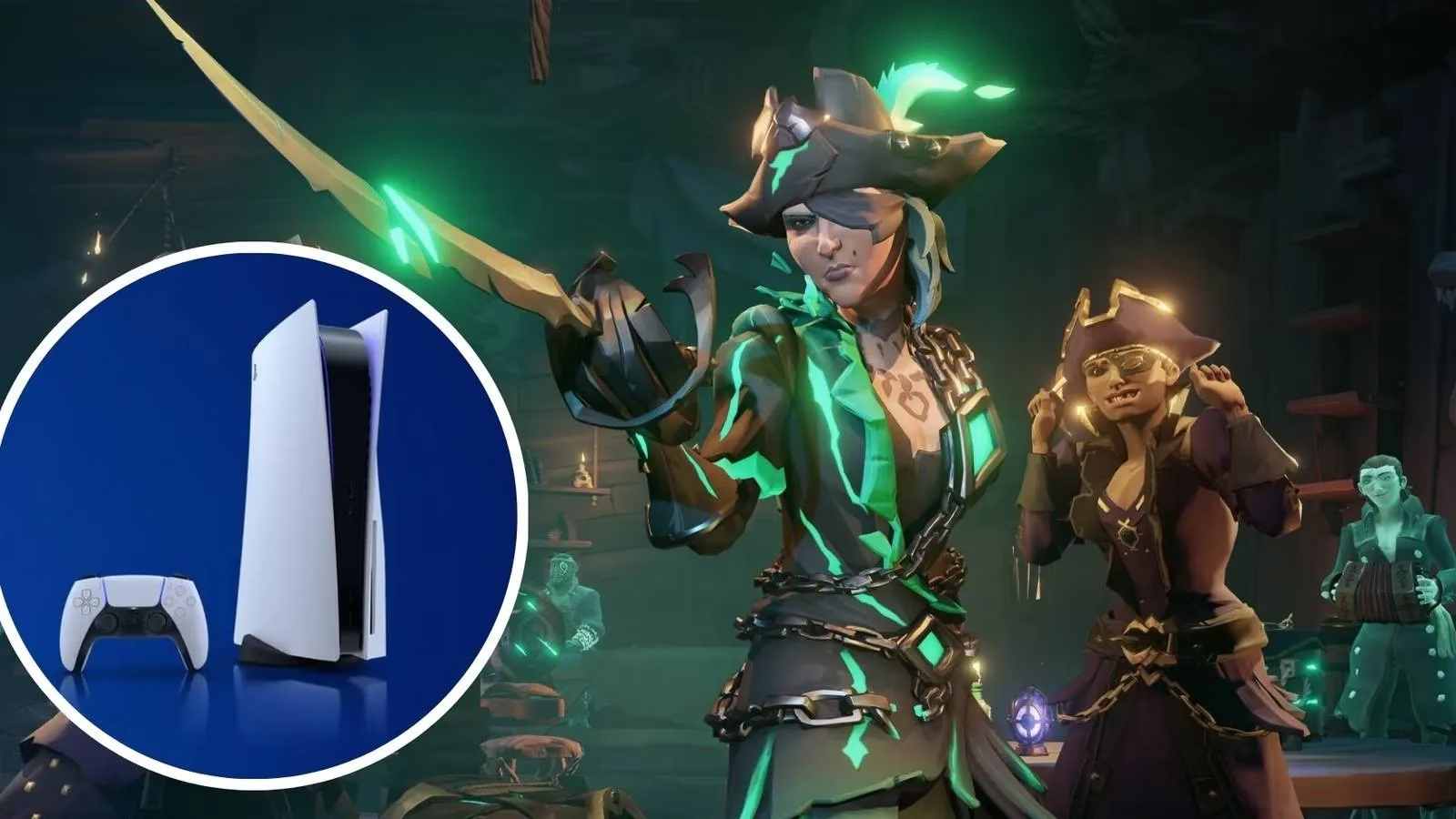
As I look at the server queues and community buzz in 2026, it's clear that Rare's decision to bring Sea of Thieves to PlayStation 5 was a watershed moment for Xbox's multiplatform strategy. The game's closed beta on PS5, which ran back in April, demonstrated an overwhelming demand that even the developers didn't fully anticipate. This wasn't just a simple port—it was the culmination of a strategic shift that saw four former Xbox exclusives find new homes on rival consoles. The excitement wasn't merely about accessing an older game; it represented a fundamental change in how platform holders approach exclusivity in our current gaming landscape.
The Multiplatform Strategy Explained
When Xbox leadership first announced they would bring four exclusive titles to other platforms, the gaming community erupted with speculation. Phil Spencer carefully framed this move during the Xbox Business podcast, emphasizing that this was "not a change to our fundamental exclusive strategy" but rather a tactical decision made with Xbox's long-term health in mind. The four games—Grounded, Pentiment, Hi-Fi Rush, and Sea of Thieves—represented different genres and audiences, serving as test cases for future cross-platform releases.
What made Sea of Thieves particularly significant was its status as Xbox's premier live-service title. Unlike narrative-driven games that players complete once, this pirate adventure thrives on persistent worlds and regular content updates. Bringing such a service-oriented game to PlayStation meant committing to long-term support across platforms, essentially treating PS5 players as equal stakeholders in the game's future.
Beta Overload: A Welcome Problem
The closed beta told the real story. Available only to those who pre-ordered the game's various editions between April 12th and 15th, the beta immediately faced technical challenges that revealed its popularity. Within just over an hour of launch, the official Sea of Thieves social media account reported "experiencing a high volume of new players" resulting in extended wait times.
Rare's team identified two primary issues affecting players:
-
Regional Server Problems: Players sometimes joined games in non-optimal regions, causing lag, high network latency, and rubberbanding during gameplay
-
Queue Times: Especially in populated regions, players faced significantly longer waits to access servers
Despite these issues—which Rare acknowledged they couldn't fully resolve during the beta period—the overwhelming response served as validation. The game, though over five years old at that point, clearly had a massive untapped audience on PlayStation who had been waiting years for this opportunity.
What This Means for Gaming in 2026
Looking back from our 2026 perspective, the Sea of Thieves PS5 launch appears as a pivotal moment in platform strategy evolution. The successful transition demonstrated several key insights:
-
Timing Matters: Being the last of the four Xbox exclusives to launch on PS5 allowed Sea of Thieves to benefit from established cross-platform patterns
-
Community Integration: Progress carrying over from beta to full launch created immediate player investment
-
Service Game Potential: Live-service titles can successfully transition between platforms years after initial release
The table below shows how the four former exclusives performed in their multiplatform transitions:
| Game | Genre | PS5 Release | Notable Success Factor |
|---|---|---|---|
| Grounded | Survival | March 2024 | Family-friendly appeal |
| Pentiment | Narrative | February 2024 | Critical acclaim |
| Hi-Fi Rush | Rhythm-action | March 2024 | Viral popularity |
| Sea of Thieves | Live-service | April 2024 | Existing community |
The Ripple Effects
In the two years since that pivotal beta, we've seen how this experiment influenced broader industry trends. Other platform holders have cautiously explored similar strategies, though none have matched the scale of Xbox's four-game initiative. The success particularly highlighted how service-based games—with their ongoing content updates and community features—can thrive when released from platform exclusivity.
For PlayStation players, the arrival of Sea of Thieves represented more than just another game to play. It offered:
-
A fully-developed pirate world with six years of content updates
-
Cross-play capabilities with existing Xbox and PC communities
-
A proven live-service model with regular seasonal content
-
The chance to experience what had been one of Xbox's defining exclusives
Technical Challenges as Validation
Paradoxically, the very server problems that plagued the beta became evidence of its success. Rare's transparency about the issues—and their commitment to carrying over beta progress—built goodwill within the new PlayStation community. Players understood that these were "good problems" indicating strong demand rather than fundamental flaws in the port itself.
The company's blog post at the time framed these challenges appropriately, noting that while they couldn't fix everything during the beta window, they were gathering crucial data for the full launch. This honest approach contrasted with how some publishers handle technical issues and likely contributed to the smooth April 30th launch that followed.
Looking Forward from 2026
As I write this in 2026, the Sea of Thieves PS5 release stands as a case study in successful platform expansion. The game continues to receive regular updates on all platforms, with PlayStation players now fully integrated into its pirate community. The lessons learned from this transition have informed subsequent multiplatform releases from Xbox Game Studios, though the company remains selective about which titles make the jump.
The key takeaway remains clear: player demand transcends platform loyalty. Gamers want great experiences regardless of where they originate, and when given the opportunity to access previously exclusive content, they respond enthusiastically. The server queues during that April beta weren't just a technical hurdle—they were a message from players welcoming a new era of accessibility in gaming.
While exclusives will always have their place in driving hardware sales, the Sea of Thieves story demonstrates that some experiences deserve broader audiences. As we continue into 2026 and beyond, I expect we'll see more publishers recognize that certain games—particularly service-based titles with dedicated communities—can thrive when released from platform constraints. The pirate adventure that began on Xbox has found new waters to sail, and everyone's enjoying the voyage. 🏴☠️⚓
This assessment draws from PEGI to contextualize how expanding a live-service title like Sea of Thieves onto PS5 also means aligning ongoing content drops with consistent age-rating expectations across regions. As Xbox’s multiplatform approach brought new audiences into the same shared seas, standardized content guidance becomes a practical backbone for cross-play communities—helping set clear expectations around online interactions and evolving seasonal additions that can shift a game’s tone over time.